
Neuromuskuläre Therapie in München Neuhausen Nymphenburg
Als Teil der Wellness Anwendungen von Physiopoint in München Neuhausen bieten wir die Neuromuskuläre- Therapie (NMT).
In der neuromuskulären Therapie wird zunächst durch Palpation des myofaszialen Systems der Befund erhoben.
Unsere Physiotherapeuten palpieren während der neuromuskulären Therapie die Triggerpoints wiederholt durch punktuellen Druck.
Ziel der Therapie bei Physiopoint München ist die Wiederherstellung des physiologischen und neuromuskulären Gewebezustandes, der weder eine „verkürzte“ noch eine „überdehnte“ Muskulatur als Ruhetonus kennt.
Unsere Praxis für Physiotherapie liegt im Zentrum von München in Neuhausen und Nymphenburg und empfiehlt sich für die neuromuskuläre Therapie.
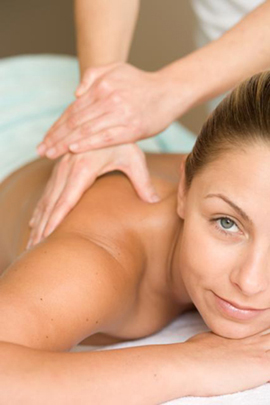
Was versteht man unter einer Neuromuskuläre Therapie (NMT)?
Die neuromuskuläre Therapie umfasst verschiedene Techniken zur Behandlung von Weichteilen und Triggerpunkten. Die Triggerpunkte sind „gestresste“ Punkte im Gewebe, die sich verhärten. An den Triggerpunkten nimmt die Durchblutung ab und das Gewebe fühlt sich hart und schmerzhaft an. Durch Palpation, also gezielten und dosierten Druck, werden diese Triggerpunkte gelockert. Die neuromuskuläre Therapie bewirkt eine Normalisierung der Gewebespannung, führt zu einer besseren Durchblutung und zum Schmerzabbau.
Welche Anwendungsbereiche gibt es?
Zu den Anwendungsbereichen zählt die Rückenmuskulatur, die Nackenmuskulatur und die Muskulatur an den Armen oder Beinen.